Common Safety Issues Found in Aging Decks, Porches, and Ramps
Local contractors specializing in aging decks, porches, and ramps repair can help address common safety issues like rot, loose boards, and unstable handrails to keep your space safe.
Aging decks, porches, and ramps can develop a variety of safety issues that may not be immediately obvious but can pose significant risks over time. Property owners in the area often find themselves wondering about the structural integrity of their outdoor spaces, especially as materials wear and weather conditions take their toll. Recognizing common safety concerns-such as rotting wood, loose railings, or unstable decking-can help prevent accidents and ensure these features remain safe for everyday use. Local service providers specializing in repairs can assess these issues and provide practical solutions to maintain the safety and functionality of outdoor living areas.
Understanding the typical safety issues found in aging outdoor structures highlights the importance of regular inspections and timely repairs. Many property owners choose to work with experienced contractors who can address problems like weakened support beams, corroded fasteners, or uneven surfaces before they become serious hazards. Exploring this topic can help homeowners and property managers make informed decisions about maintaining their decks, porches, and ramps. Connecting with local professionals ensures that these safety concerns are handled efficiently, helping to preserve outdoor spaces that are safe and enjoyable for everyone.
- Aging decks - local contractors can repair loose or rotting boards that pose tripping hazards and compromise stability.
- Porches - service providers address deteriorated or cracked surfaces that can lead to falls or structural failure.
- Ramps - local pros fix uneven or weakened ramps to ensure safe, accessible entryways for all users.
- Aging decks, porches, and ramps - repairs often involve replacing damaged framing or supports to prevent collapse risks.
- Common safety issues found in aging decks, porches, and ramps - experienced service providers can assess and restore these structures to maintain safety and stability.
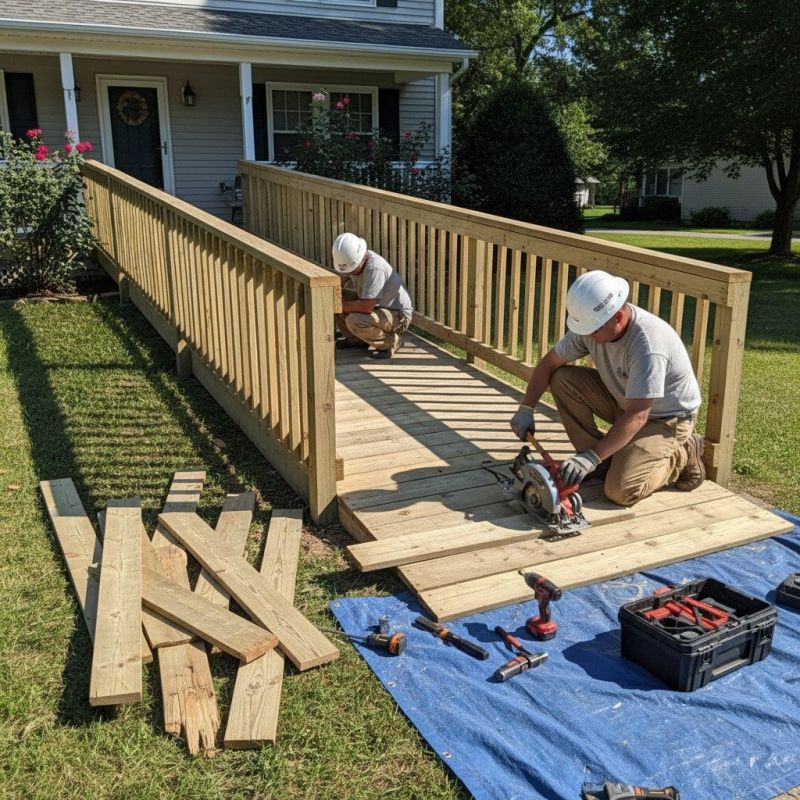
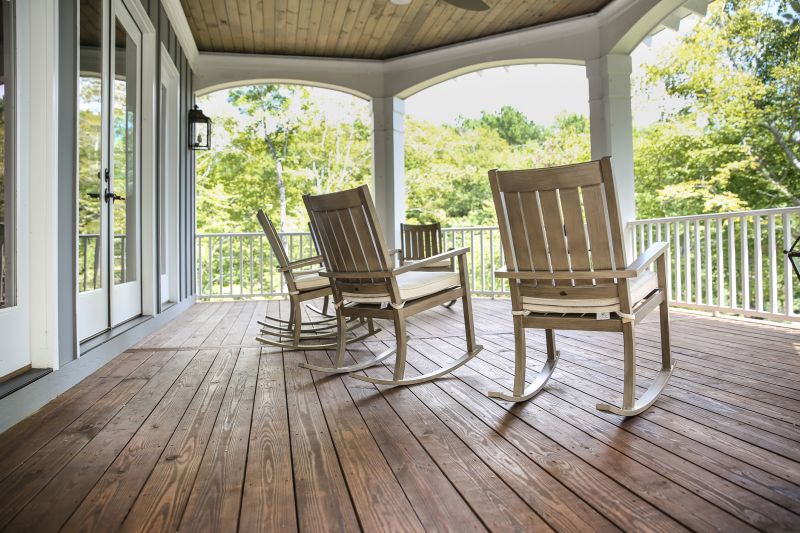
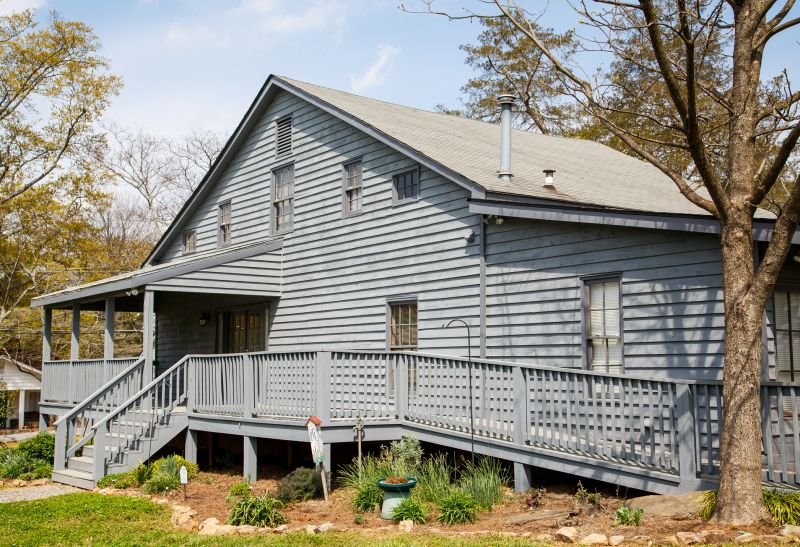
Many homeowners searching for information about common safety issues found in aging decks, porches, and ramps are typically concerned about the structural integrity and overall safety of these outdoor features. Over time, exposure to weather elements, frequent use, and lack of maintenance can lead to deterioration that might not be immediately visible. These issues often relate to the stability of the structures, the condition of handrails, and the potential for tripping hazards. Understanding what problems are common helps property owners recognize when repairs or updates are necessary to prevent accidents and ensure safe access to outdoor spaces.
The problems associated with aging decks, porches, and ramps frequently involve weakened or rotting wood, rusted or loose hardware, and compromised support beams. For example, wood may develop rot or splintering, making it unsafe to walk on. Metal components like nails, screws, and brackets can corrode over time, losing their strength and causing parts of the structure to loosen or collapse. Additionally, uneven surfaces or loose railings can create tripping hazards, especially for children, seniors, or individuals with mobility challenges. These issues are often linked to plans for repairs, replacements, or upgrades to improve safety and extend the lifespan of these outdoor features.
The types of properties most commonly affected by these safety concerns include residential homes, especially those with older construction or properties that have not undergone recent updates. Single-family houses with decks or porches built decades ago are typical candidates, as well as multi-family dwellings where multiple units share outdoor access points. Ramps designed for accessibility can also be vulnerable to safety issues if they have not been properly maintained or if materials have degraded. These safety issues are relevant whether the property is a primary residence, a rental, or an aging structure that has seen years of use without recent inspections or repairs.
Local service providers specializing in aging decks, porches, and ramps repair play a key role in addressing these common safety issues. They can assess the condition of outdoor structures, identify potential hazards, and recommend appropriate repairs or replacements. Whether it involves reinforcing support beams, replacing rotted wood, or installing new handrails, these pros help property owners restore safety and functionality. Connecting with experienced local contractors ensures that safety concerns are properly managed, and outdoor features are brought up to current standards, reducing the risk of accidents and prolonging the life of these valuable property elements.
Wood Repair and Restoration - specialists in fixing rotted or damaged wood components are essential for addressing common safety issues found in aging decks, porches, and ramps.
Structural Reinforcement Projects - local contractors experienced in adding support beams and braces help improve stability and prevent collapse risks in aging outdoor structures.
Handrail and Railing Installation - professionals who install secure handrails and railings contribute to safety by reducing fall hazards on decks, porches, and ramps.
Surface Repair and Resurfacing - experts in fixing uneven or deteriorated surfaces can prevent slips and trips caused by worn decking or porch flooring.
Foundation and Support Pier Work - service providers skilled in foundation repairs ensure that decks and ramps maintain proper elevation and load-bearing capacity.
Weatherproofing and Sealing - local pros offering sealing services help protect aging structures from moisture damage that can compromise safety over time.
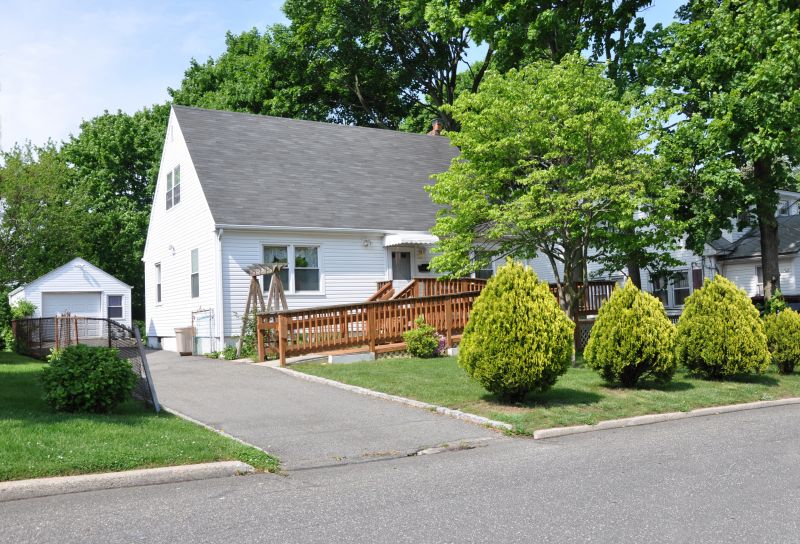
When evaluating service providers for aging deck, porch, and ramp repairs, it is important to consider their experience with similar projects. Local contractors who have a history of working on structures with common safety issues found in aging decks, porches, and ramps are more likely to understand the specific challenges involved. This familiarity can help ensure that repairs address both visible damage and underlying concerns, such as weakened support beams or deteriorated surface materials. Asking about past projects or requesting references can provide insight into their ability to handle safety-related repairs effectively and reliably.
Clear written expectations are essential when selecting a contractor for aging deck, porch, and ramp repairs. Service providers should be willing to outline the scope of work, including specific safety concerns they will address, the materials they plan to use, and the estimated process for completing repairs. Having detailed documentation helps prevent misunderstandings and ensures that both parties are aligned on what the project entails. It also provides a record to refer back to, which can be valuable if issues arise later. Ensuring expectations are clearly communicated and documented is a key step in choosing a trustworthy contractor.
Reputable references and good communication are vital indicators of a dependable service provider. Contractors with positive references from previous clients can offer reassurance about their professionalism and the quality of their work, especially when dealing with safety-critical repairs. Additionally, good communication-such as prompt responses to questions, transparency about processes, and willingness to discuss concerns-can make the repair experience smoother and more predictable. Working with local pros who prioritize clear, open dialogue and have a track record of satisfied clients can help ensure that safety issues are properly addressed and that the project proceeds with confidence.
Property owners often search for common safety issues found in aging decks, porches, and ramps when they are planning practical projects around their homes and businesses. Local pros provide Aging Decks, Porches, and Ramps Repair services for everyday jobs and straightforward project options.
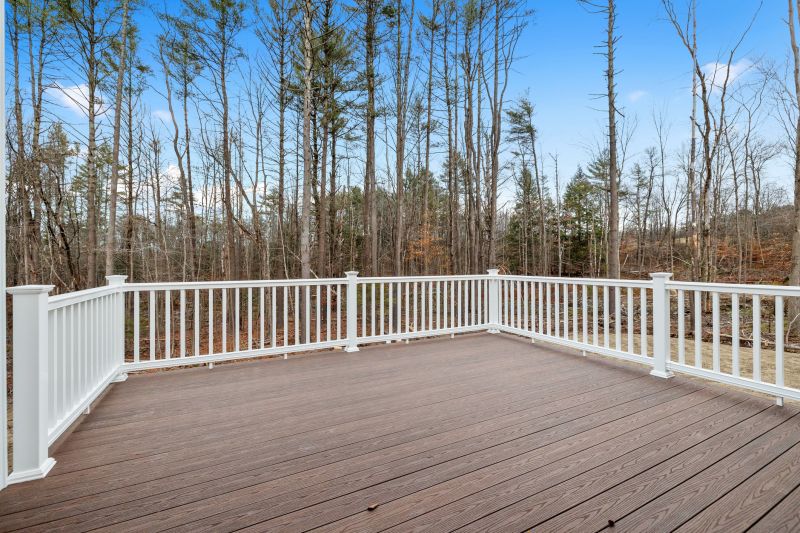
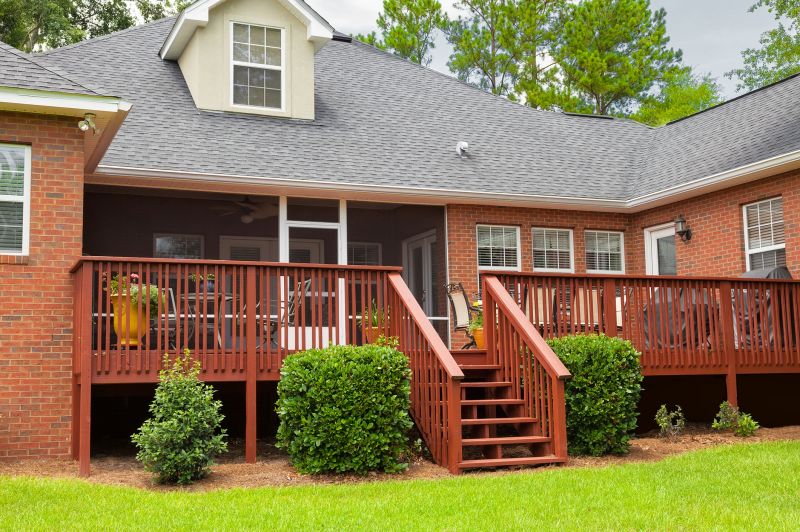
Aging decks, porches, and ramps often develop safety issues that can pose risks for residents and visitors alike. Common problems include rotting wood, loose or unstable railings, and cracked or uneven surfaces that can lead to trips and falls. Property owners noticing sagging boards, wobbly handrails, or signs of wood deterioration should consider consulting local contractors experienced in aging structure repairs. Addressing these issues promptly can help maintain safe access and prevent accidents before they happen.
Many property owners in the area look into aging deck, porch, and ramp repair services when they see visible damage or feel uneven footing underfoot. Over time, exposure to weather can cause wood to weaken or decay, while hardware may loosen or corrode, compromising overall stability. Local service providers can assess these common safety issues found in aging structures and perform necessary repairs to restore safety and stability. Regular inspections and timely maintenance by experienced contractors can help ensure these outdoor features remain secure for everyday use.
What are common structural issues to look for in aging decks, porches, and ramps? Common safety concerns include rotting wood, loose or broken boards, and unstable supports that can compromise stability. Local contractors can assess these issues and recommend necessary repairs to ensure safety.
How can I identify if my ramp has safety hazards? Signs of safety issues in ramps include uneven surfaces, loose handrails, and damaged or missing grip surfaces. Service providers can inspect ramps for these hazards and perform repairs to improve safety and accessibility.
What maintenance problems contribute to safety issues in aging decks and porches? Common problems involve deteriorated wood, rusted fasteners, and weakened support beams. Local repair specialists can address these issues to prevent accidents caused by structural failure.
Are there warning signs that my porch or deck needs immediate repair? Visible cracks, sagging sections, and loose or wobbly railings are warning signs. Experienced contractors can evaluate these conditions and carry out repairs to restore safety.
How do local service providers help improve safety in aging decks, porches, and ramps? They perform inspections, identify safety hazards, and carry out necessary repairs such as replacing damaged boards, reinforcing supports, and updating handrails to ensure structural integrity and safety.
Structural integrity assessments - property owners can have local contractors evaluate aging decks, porches, and ramps for signs of rot or weakening materials to prevent accidents.
Surface repairs and replacements - replacing loose or damaged boards, handrails, and support posts can improve safety and stability on aging outdoor structures.
Non-slip surface applications - applying non-slip coatings or treatments to walk surfaces helps reduce the risk of slips and falls on worn or weathered decks and ramps.
Handrail and guardrail upgrades - installing or repairing handrails and guardrails ensures proper support and fall prevention for aging outdoor structures.
If you are thinking about common safety issues found in aging decks, porches, and ramps for a property, this guide is meant to help you understand this topic, the typical project types, and how different options might fit your plans.
When you are ready, you can use the quote form on this page to share a few details about your project. From there, local pros can review the basics and follow up with options that match what you have in mind.